
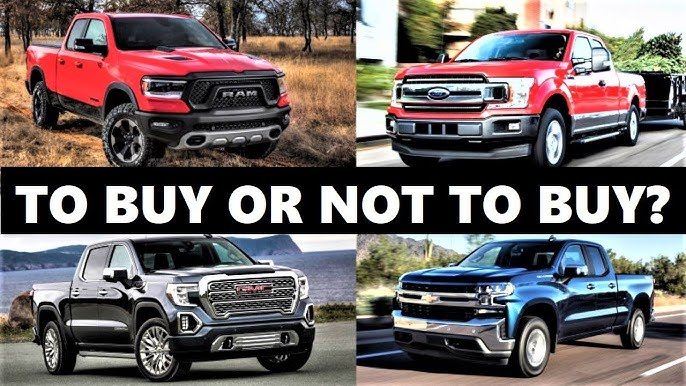
Choosing between Nissan, Toyota, and Ford can be a challenge. Each brand offers unique benefits and features.
For many car buyers, deciding which brand to go for can be overwhelming. Nissan, Toyota, and Ford are three of the biggest names in the automotive industry. They each have a strong reputation for quality, reliability, and innovation. Whether you’re looking for a family sedan, a rugged SUV, or a fuel-efficient hybrid, these brands have something to offer.
This comparison will help you understand the key differences and advantages of each brand. By the end, you’ll have a clearer idea of which one suits your needs best. Let’s dive into the world of Nissan, Toyota, and Ford to see what each brings to the table.
Brand Histories
Understanding the histories of Nissan, Toyota, and Ford gives insight into their unique brand identities. Each of these automakers has a rich heritage and a distinct journey. This section delves into their past, highlighting milestones that shaped their paths.
Nissan’s Journey
Nissan began its journey in 1933 in Japan. It started as Jidosha-Seizo Kabushiki-Kaisha. Shortly after, it adopted the name Nissan Motor Company. The company gained recognition with its Datsun brand. Datsun cars became popular for their reliability and affordability. In the 1960s, Nissan expanded globally. It entered the American market with great success. The 1980s saw the rise of models like the Nissan Maxima and Nissan 300ZX. Innovation and quality have always been at the core of Nissan’s philosophy.
Toyota’s Legacy
Toyota’s story began in 1937. Kiichiro Toyoda founded the company in Japan. Initially, it was a division of Toyoda Automatic Loom Works. The company produced its first passenger car, the Model AA, in 1936. Post World War II, Toyota faced many challenges but persisted. In the 1950s, Toyota made its mark with the Land Cruiser. The 1980s introduced the Corolla, which became a global bestseller. Toyota’s commitment to quality and innovation remains unmatched.
Ford’s Evolution
Ford’s history started in 1903. Henry Ford founded the company in Detroit. The Model T, introduced in 1908, revolutionized the auto industry. Ford’s assembly line method changed manufacturing forever. By the 1920s, Ford became a household name. The F-Series trucks, launched in 1948, set new standards. The Mustang, introduced in 1964, became an icon. Ford continues to innovate and adapt to changing markets.
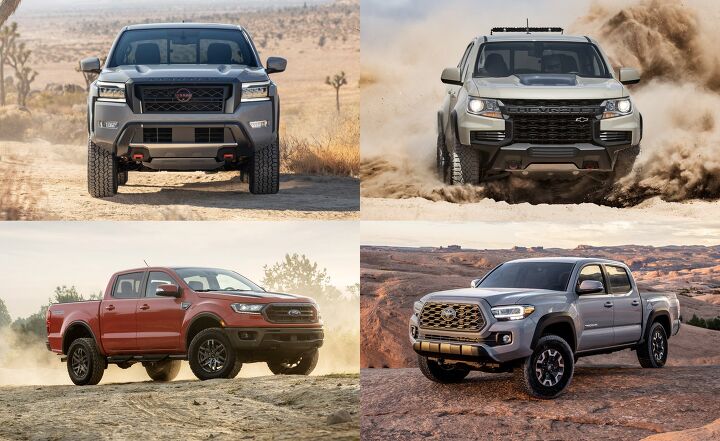
Credit: www.autoguide.com
Design Philosophy
Design is a critical aspect that sets vehicles apart. Nissan, Toyota, and Ford have different design philosophies. These unique approaches create distinct visual identities. Let’s explore how each brand’s design principles shape their vehicles.
Nissan’s Aesthetics
Nissan focuses on creating bold and dynamic designs. Their vehicles often feature sharp lines and aggressive angles. This gives them a sporty look. Nissan also incorporates modern elements like V-Motion grilles and sleek LED headlights. These details enhance the car’s overall appeal.
Inside, Nissan opts for driver-centric interiors. The layout is practical yet stylish. High-quality materials and advanced technology are also key aspects. This ensures both comfort and a high-tech feel.
Toyota’s Design Principles
Toyota emphasizes simplicity and elegance in its design. Their vehicles often have smooth lines and a clean, uncluttered look. This approach makes Toyota cars timeless and universally appealing. The brand also focuses on aerodynamics, improving both fuel efficiency and handling.
Inside, Toyota vehicles are known for their spacious and ergonomic layouts. The interiors are designed to be user-friendly and comfortable. High-quality materials and intuitive controls make driving a Toyota a pleasant experience.
Ford’s Styling
Ford adopts a more rugged and muscular design philosophy. Their vehicles often feature bold grilles and strong, defined lines. This gives Ford cars a powerful and commanding presence on the road. The brand’s design often reflects its American heritage.
Ford’s interiors focus on functionality and comfort. The layout is practical, with easy-to-use controls. High-quality materials and advanced tech features create a balanced and enjoyable driving experience.
Performance Comparison
When choosing between Nissan, Toyota, and Ford, performance is a key factor. Each brand offers unique strengths. This section dives into engine power, fuel efficiency, and handling and ride quality.
Engine Power
Nissan engines often focus on a balance of power and efficiency. Models like the Nissan GT-R showcase high-performance capabilities. Toyota, known for reliability, offers strong engines with consistent output. The Toyota Supra stands out in their lineup. Ford, on the other hand, is known for its powerful engines. The Mustang and F-150 are prime examples of Ford’s emphasis on power.
Fuel Efficiency
Nissan excels in fuel-efficient models. The Nissan Leaf is a leader in electric vehicles. Toyota is synonymous with hybrid technology. The Toyota Prius is a testament to this. Ford also offers fuel-efficient options. The Ford Fusion Hybrid is a great example. Each brand provides choices for those prioritizing fuel economy.
Handling And Ride Quality
Nissan vehicles often provide a smooth ride. Their suspension systems are designed for comfort. Toyota’s handling is reliable and predictable. The Camry, for instance, offers a stable ride. Ford focuses on a blend of comfort and sportiness. The Ford Explorer shows this balance well. Each brand ensures a pleasurable driving experience.
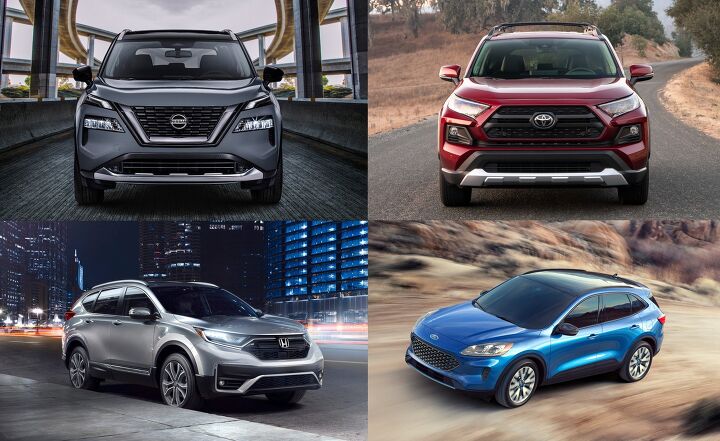
Credit: www.autoguide.com
Technological Innovations
In the modern auto industry, technological innovations set brands apart. Nissan, Toyota, and Ford each offer unique tech features. Let’s explore how each brand integrates technology into their vehicles.
Nissan’s Tech Features
Nissan includes advanced tech in its cars. The NissanConnect system offers navigation, smartphone integration, and voice recognition.
- ProPILOT Assist: Helps with steering and speed control on highways.
- Intelligent Around View Monitor: Provides a 360-degree view for parking.
- Remote Start: Start your car using a smartphone app.
Toyota’s Tech Advancements
Toyota focuses on safety and convenience. The Toyota Safety Sense package comes standard on many models.
- Pre-Collision System: Detects potential collisions and applies brakes.
- Lane Departure Alert: Warns if you drift from your lane.
- Dynamic Radar Cruise Control: Adjusts speed to maintain a safe distance.
Ford’s Tech Integration
Ford emphasizes connectivity and performance. The Ford SYNC 4 system features enhanced voice recognition and cloud-based navigation.
- FordPass App: Monitor your vehicle’s status and find parking.
- Co-Pilot360: Comprehensive driver-assistance technologies.
- Active Park Assist: Helps with parallel and perpendicular parking.
| Brand | Key Feature | Benefits |
|---|---|---|
| Nissan | ProPILOT Assist | Enhanced highway driving |
| Toyota | Pre-Collision System | Improved safety |
| Ford | FordPass App | Remote vehicle monitoring |
Safety Features
Safety features are vital when choosing a car. They protect drivers, passengers, and pedestrians. Nissan, Toyota, and Ford offer advanced safety systems. This ensures a secure driving experience. Let’s explore the safety features of these brands.
Nissan’s Safety Systems
Nissan has the Safety Shield 360 suite. It includes six key features. Automatic Emergency Braking is one of them. It detects potential collisions. The system alerts the driver. If necessary, it applies the brakes.
Blind Spot Warning is another feature. It monitors blind spots. The system alerts the driver to unseen vehicles. Lane Departure Warning helps keep the car in its lane. It provides visual and audio alerts if the car drifts.
Rear Cross Traffic Alert is useful in parking lots. It detects cars approaching from the side. Rear Automatic Braking stops the car to avoid a collision. High Beam Assist adjusts the headlights for better visibility. These features create a safer driving experience.
Toyota’s Safety Standards
Toyota’s Safety Sense (TSS) suite is comprehensive. It includes Pre-Collision System. This system detects vehicles and pedestrians. It warns the driver and applies brakes if needed.
Lane Departure Alert with Steering Assist is another key feature. It warns the driver if the car drifts from its lane. The system can make small steering adjustments. Automatic High Beams improve night driving. They switch between high and low beams based on traffic.
Dynamic Radar Cruise Control adjusts speed to maintain a safe distance. Road Sign Assist reads road signs. It displays them on the dashboard. Toyota ensures its cars meet high safety standards.
Ford’s Safety Measures
Ford’s Co-Pilot360 suite is impressive. It includes Automatic Emergency Braking. This system helps avoid collisions. Blind Spot Information System (BLIS) with Cross-Traffic Alert is also included. It alerts the driver to vehicles in blind spots.
Lane-Keeping System helps the car stay in its lane. It provides alerts and steering assistance. Rear View Camera improves visibility while reversing. Adaptive Cruise Control maintains a safe distance from the car in front.
Enhanced Active Park Assist makes parking easier. It helps with parallel and perpendicular parking. These safety measures ensure a secure driving experience.

Credit: www.youtube.com
Market Presence
Understanding the market presence of car brands helps buyers make informed choices. Nissan, Toyota, and Ford have strong market presences worldwide. Each brand has unique strengths and strategies. Let’s explore how each brand stands out in the global market.
Nissan’s Global Reach
Nissan operates in over 160 countries. Their vehicles appeal to a wide audience. They focus on innovation and technology. Electric cars like the Nissan Leaf are popular. Their partnership with Renault and Mitsubishi strengthens their global position.
Toyota’s Market Influence
Toyota is known for reliability and durability. They have a strong market presence in Asia, North America, and Europe. Their hybrid cars, like the Prius, lead in eco-friendly technology. Toyota’s reputation builds trust among buyers. They produce a wide range of vehicles, from compact cars to trucks.
Ford’s Market Share
Ford is an iconic American brand. They have a strong presence in the U.S. and Europe. Ford trucks, like the F-Series, are very popular. They focus on innovation and performance. Their investment in electric vehicles shows future readiness. Ford’s market share reflects its strong brand loyalty.
Customer Satisfaction
Customer satisfaction plays a crucial role in the automotive industry. It reflects how well a vehicle meets the needs and expectations of its owners. Nissan, Toyota, and Ford each have a unique reputation for customer satisfaction. Let’s delve into the reviews and feedback from their customers.
Nissan Owner Reviews
Nissan owners often praise the brand for its reliability. Many appreciate the fuel efficiency and sleek design of Nissan cars. Maintenance costs are generally low, which adds to the satisfaction. Some owners mention the advanced technology features as a highlight. Overall, Nissan receives positive feedback for comfort and performance.
Toyota Customer Feedback
Toyota is known for its long-lasting vehicles. Customers frequently highlight the durability of Toyota cars. Safety features receive high marks from many owners. Toyota’s reputation for affordability and low maintenance costs stands out. The brand’s commitment to customer service is another strong point. Many feel that Toyota offers great value for money.
Ford User Experiences
Ford users often talk about the powerful performance of their vehicles. Many appreciate the spacious interiors and strong towing capabilities. Ford trucks receive special mention for their ruggedness. The brand’s focus on innovation also gets positive reviews. Some users note the higher maintenance costs, but the overall satisfaction remains high. Ford’s commitment to quality and customer service shines through in the feedback.
Value For Money
When buying a car, getting the best value for money is crucial. Nissan, Toyota, and Ford are top contenders. Each brand offers something unique. Here’s a breakdown of what you can expect from each in terms of value for money.
Cost Of Ownership
Owning a car involves more than the purchase price. It includes fuel, maintenance, and insurance. Nissan models often have a lower initial cost. Their maintenance costs are also manageable. Toyota is known for its reliability. This means fewer trips to the mechanic. Ford offers a range of models with varying costs. Some models are expensive to maintain.
Resale Value
Resale value is important. It affects the total cost of ownership. Toyota cars hold their value well. This is due to their reliability and demand. Nissan cars have a decent resale value but can vary. Ford cars can lose value quickly. This is especially true for their larger vehicles.
Overall Affordability
Affordability combines initial cost and long-term expenses. Nissan offers budget-friendly options. Toyota provides a balance of cost and reliability. Ford has a wide range of prices. Some models are affordable, others are not. Choose based on your budget and needs.
Frequently Asked Questions
Which Is More Reliable, Nissan, Toyota, Or Ford?
Toyota is known for its exceptional reliability and longevity. Nissan offers reliable models, but not as consistently as Toyota. Ford’s reliability varies widely across models.
Which Brand Offers Better Fuel Efficiency?
Toyota generally leads in fuel efficiency, especially with its hybrid models. Nissan also provides fuel-efficient options. Ford offers some efficient models but focuses more on performance.
How Do Nissan, Toyota, And Ford Compare In Safety?
Toyota and Ford often receive high safety ratings across their lineups. Nissan also prioritizes safety but may not match Toyota and Ford consistently.
Which Brand Has The Best Resale Value?
Toyota usually has the highest resale value due to its reliability and longevity. Nissan and Ford’s resale values can vary significantly by model and condition.
Conclusion
Choosing between Nissan, Toyota, and Ford depends on your preferences. Nissan offers innovative technology. Toyota stands out for reliability. Ford impresses with powerful performance. All three brands provide great options. Consider your needs and budget. Test drive to feel the difference.
Each brand has strengths. Make an informed choice. Happy car shopping!