
Choosing a car often involves considering its longevity. Toyota and Nissan are both known for reliability, but which lasts longer?
Car longevity is a critical factor for many buyers. A vehicle’s lifespan can save you money and provide peace of mind. Toyota and Nissan have solid reputations for durability. Each brand offers models that stand the test of time. But differences in design, maintenance, and build quality exist.
Understanding these can help you make a better decision. This comparison will explore various aspects to see which brand offers more lasting value. Let’s dive in and find out which car, Toyota or Nissan, is likely to serve you longer.

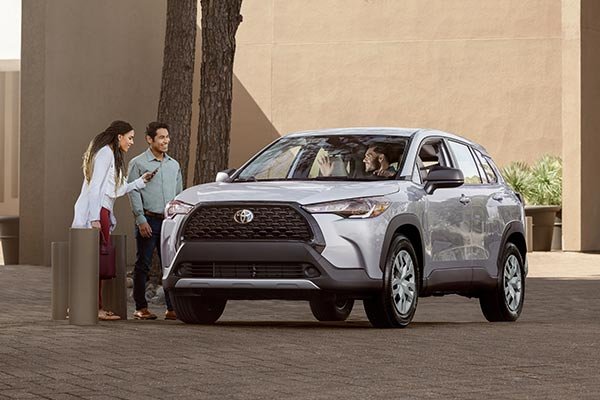
Credit: www.toyotaofplano.com
Brand Reputation
Choosing between Toyota and Nissan often boils down to brand reputation. Both brands have unique strengths and long histories. Let’s dive into what makes each brand stand out in terms of longevity and reliability.
Toyota’s Legacy
Toyota is well-known for its long-lasting vehicles. The brand has built a reputation for reliability and durability. Many Toyota models are known to exceed 200,000 miles with ease. This is thanks to their robust engineering and consistent quality.
Another key factor is Toyota’s commitment to quality control. Every vehicle undergoes rigorous testing. This ensures that each car meets high standards before it hits the market. Toyota’s dedication to quality has earned it a loyal customer base.
Additionally, Toyota’s innovative technologies contribute to its long-lasting vehicles. Features like the Hybrid Synergy Drive in the Prius improve both performance and longevity. These innovations make Toyota a preferred choice for many car buyers.
Nissan’s History
Nissan also has a strong reputation for building durable cars. The brand has a long history of producing reliable vehicles. Many Nissan models are known for their solid performance and longevity.
Nissan places a strong focus on engineering excellence. The company invests heavily in research and development. This ensures that each new model is better than the last. Nissan’s commitment to innovation helps its cars last longer on the road.
Nissan’s history of producing sturdy vehicles is evident in models like the Nissan Altima and Nissan Maxima. These cars are known for their long lifespans and reliable performance.
In summary, both Toyota and Nissan have strong brand reputations. They each offer vehicles known for their longevity and reliability. The choice between them often comes down to personal preference.
Build Quality
When comparing the longevity of Toyota and Nissan, build quality plays a key role. How well a car is built determines its durability and lifespan. Let’s explore the build quality of these two brands in detail.
Materials Used
Toyota uses high-quality materials for its car interiors and exteriors. They focus on durable plastics, strong metals, and high-grade upholstery. These materials help in reducing wear and tear over time.
Nissan also uses good quality materials, but often leans towards cost-effectiveness. While their materials are still reliable, they may not match Toyota’s standards in some areas. This difference can impact the car’s longevity.
Engineering Standards
Toyota adheres to strict engineering standards. Their cars undergo rigorous testing and quality checks. This ensures that each vehicle meets high-performance and durability standards.
Nissan also follows strong engineering practices. They aim for a balance between performance and affordability. This approach might compromise long-term durability compared to Toyota’s focus on robust engineering.
Reliability Ratings
When choosing a car, reliability ratings matter. They tell you how long a car might last without major issues. In this post, we compare the reliability ratings of Toyota and Nissan cars. Understanding these ratings helps you make a better decision.
Toyota’s Track Record
Toyota has a strong reputation for reliability. Many Toyota models often top the charts in reliability surveys. Consumer Reports and J.D. Power often rate Toyota cars highly.
Let’s look at some key points:
- Longevity: Toyota cars often run well past 200,000 miles.
- Maintenance: Regular maintenance is simple and cost-effective.
- Parts Availability: Spare parts are readily available and affordable.
According to a 2022 study, Toyota’s average reliability rating was 4.5 out of 5. This indicates that Toyota cars experience fewer breakdowns and require less repair.
Nissan’s Performance
Nissan also has a good track record, though not as strong as Toyota. Nissan cars rank well in reliability, but there are some concerns.
Key points to consider:
- Technology: Nissan uses advanced technology, which can sometimes lead to issues.
- Maintenance Costs: Higher than Toyota in some cases.
- Model Variability: Reliability varies greatly between different models.
According to the same 2022 study, Nissan’s average reliability rating was 3.5 out of 5. While Nissan cars are reliable, they may need more frequent repairs compared to Toyota cars.
Here’s a quick comparison table for better understanding:
| Aspect | Toyota | Nissan |
|---|---|---|
| Average Reliability Rating | 4.5 | 3.5 |
| Longevity | 200,000+ miles | 150,000+ miles |
| Maintenance Costs | Lower | Higher |
| Parts Availability | High | Moderate |
In summary, while both brands are reliable, Toyota has a slight edge over Nissan in terms of overall reliability and longevity.
Maintenance Costs
Maintenance Costs play a significant role in determining which car lasts longer, Toyota or Nissan. Regular upkeep is essential for both brands. However, maintenance costs can vary between Toyota and Nissan. Let’s delve deeper into this aspect by breaking it down into routine service and parts replacement.
Routine Service
Both Toyota and Nissan require routine service to keep the vehicles in good condition. This includes oil changes, tire rotations, and brake inspections. Toyota generally has a reputation for lower routine service costs due to its widespread availability of parts and mechanics.
Nissan is also known for affordable routine services, but some models may have slightly higher costs compared to Toyota. The following table compares the average costs:
| Service | Toyota (Average Cost) | Nissan (Average Cost) |
|---|---|---|
| Oil Change | $30 – $60 | $35 – $65 |
| Tire Rotation | $25 – $50 | $30 – $55 |
| Brake Inspection | $40 – $70 | $45 – $75 |
Parts Replacement
Parts replacement costs can significantly impact the longevity of a car. Toyota often has the edge with lower prices on parts. This is partly due to the brand’s large market presence and high reliability ratings.
Nissan also offers reasonable parts replacement costs, but they can be slightly higher in some cases. Here is a comparison of common parts replacement costs:
| Part | Toyota (Average Cost) | Nissan (Average Cost) |
|---|---|---|
| Brake Pads | $70 – $150 | $80 – $160 |
| Battery | $100 – $200 | $110 – $210 |
| Alternator | $300 – $500 | $320 – $520 |
In summary, both Toyota and Nissan have reasonable maintenance costs. Toyota typically leads with slightly lower prices for both routine services and parts replacement.
Resale Value
Resale value is an important factor when choosing a car. It affects how much money you can get back when you sell your vehicle. Toyota and Nissan are both popular brands, but their resale values differ. Understanding these differences can help you make a better decision.
Toyota’s Market Value
Toyota cars generally have high resale values. They are known for their reliability and durability. Many buyers trust the Toyota brand. This trust keeps the demand high for used Toyota cars. As a result, their resale values remain strong.
Another factor is the wide range of Toyota models. There is something for everyone, from sedans to SUVs. This variety attracts more buyers. High demand and good quality ensure Toyota’s market value stays high.
Nissan’s Depreciation
Nissan cars tend to depreciate faster than Toyota cars. This means they lose value more quickly. There are a few reasons for this. One reason is that Nissan models may not have the same level of reliability. Some buyers might see them as less durable.
Nissan’s wide range of models can be both a strength and a weakness. While it offers many options, it might also lead to oversupply. More cars on the market can drive down resale values. Buyers have more choices, so prices drop faster.
Customer Satisfaction
Customer Satisfaction plays a crucial role in determining whether Toyota or Nissan cars last longer. Owners’ personal experiences and expert opinions significantly impact how long these vehicles are perceived to last. Let’s delve into what customers say about their vehicles.
Owner Reviews
Owner reviews offer valuable insights into the reliability of Toyota and Nissan cars. Many Toyota owners praise the brand for its durability and low maintenance costs. They often mention that their vehicles run smoothly for over 200,000 miles.
On the other hand, Nissan owners have mixed reviews. Some appreciate the affordable pricing and modern features. Yet, others report issues that arise after a few years of usage. These issues can affect the overall lifespan of the vehicle.
| Brand | Positive Owner Reviews | Negative Owner Reviews |
|---|---|---|
| Toyota | High durability, Low maintenance costs | Few |
| Nissan | Affordable, Modern features | Maintenance issues after a few years |
Consumer Reports
Consumer Reports provides expert evaluations and data-driven insights on Toyota and Nissan cars. Toyota consistently ranks high in terms of reliability and customer satisfaction. Their cars are well-regarded for withstanding the test of time.
Nissan scores decently but not as high as Toyota. Some models perform well in the initial years. Nonetheless, their long-term reliability scores are not as impressive. This can influence how long Nissan cars are perceived to last.
In summary, both owner reviews and consumer reports indicate that Toyota cars generally last longer than Nissan cars. This is reflected in the high customer satisfaction rates for Toyota.
Warranty And Support
When comparing the longevity of Toyota and Nissan cars, warranty and support play a vital role. A solid warranty can save you money on repairs and give you peace of mind. Let’s look at what each brand offers in terms of warranty and support.
Toyota’s Coverage
Toyota provides comprehensive warranty packages. Their basic warranty covers the car for 3 years or 36,000 miles, whichever comes first. The powertrain warranty extends to 5 years or 60,000 miles. This coverage ensures that major components like the engine and transmission are protected.
Toyota also offers a corrosion warranty. This covers the car for 5 years with no mileage limit. Additionally, they provide roadside assistance for 2 years or 25,000 miles. This service includes jump starts, tire changes, and towing.
Nissan’s Policies
Nissan offers similar warranties. Their basic warranty also covers 3 years or 36,000 miles. The powertrain warranty matches Toyota’s, with coverage for 5 years or 60,000 miles. This ensures that key parts are well protected.
Nissan provides a corrosion warranty for 5 years, unlimited mileage. Roadside assistance is available for 3 years or 36,000 miles. This service covers lockouts, flat tires, and battery boosts.
Both brands offer strong support for their vehicles. Comparing these warranties can help you decide which car might last longer and offer better peace of mind.

Credit: www.facebook.com
Real-world Longevity
When choosing between Toyota and Nissan, real-world longevity is a key factor. Many car buyers want a vehicle that lasts. This section dives into the real-life experiences of Toyota and Nissan owners. We’ll explore high-mileage stories and long-term user experiences.
High Mileage Stories
Both Toyota and Nissan have impressive high-mileage stories. Let’s look at some examples:
| Brand | Model | Mileage | Owner’s Note |
|---|---|---|---|
| Toyota | Camry | 300,000 miles | Still runs smooth with regular maintenance. |
| Nissan | Altima | 250,000 miles | Reliable performance over the years. |
These cars have clocked high miles and still perform well. Regular maintenance plays a crucial role in longevity.
Long-term User Experiences
Long-term user experiences provide valuable insights. Toyota and Nissan owners share their experiences:
- Toyota Owners: Many report fewer repairs and high satisfaction. They appreciate the durability and reliability.
- Nissan Owners: They love the driving experience and comfort. Some mention occasional repairs, but overall, they are happy.
These experiences help potential buyers make an informed decision. Choosing a car is easier with real-world feedback. Both brands offer long-lasting vehicles.

Credit: www.nissanoforangepark.com
Frequently Asked Questions
Which Car Brand Is More Reliable, Toyota Or Nissan?
Toyota is generally considered more reliable than Nissan. Toyota consistently ranks higher in reliability surveys and studies.
Do Toyotas Last Longer Than Nissans?
Yes, Toyotas tend to last longer than Nissans. They are known for their durability and longevity.
Is Toyota Maintenance Cheaper Than Nissan?
Toyota maintenance is often cheaper than Nissan’s. Toyota parts are more readily available and less expensive.
Are Toyotas Better For Long-term Use?
Yes, Toyotas are better for long-term use. They are designed to be durable and reliable over many years.
Conclusion
Choosing between Toyota and Nissan for longevity depends on various factors. Toyota often ranks higher in reliability surveys. Many drivers report their Toyotas lasting over 200,000 miles. Nissan also produces durable vehicles, but some models have mixed reviews. Regular maintenance is crucial for any car’s lifespan.
Both brands offer solid options for long-term use. Consider your specific needs and budget. Test drive both to see which fits better. Remember, care and maintenance play big roles in vehicle longevity. So, choose wisely and keep up with regular service.
Your car will thank you.